
After the Applause: Understanding and Healing the Post-Event Blues in Elite Performance
12 mins read
by Chantale Lussier, PhD, MPC
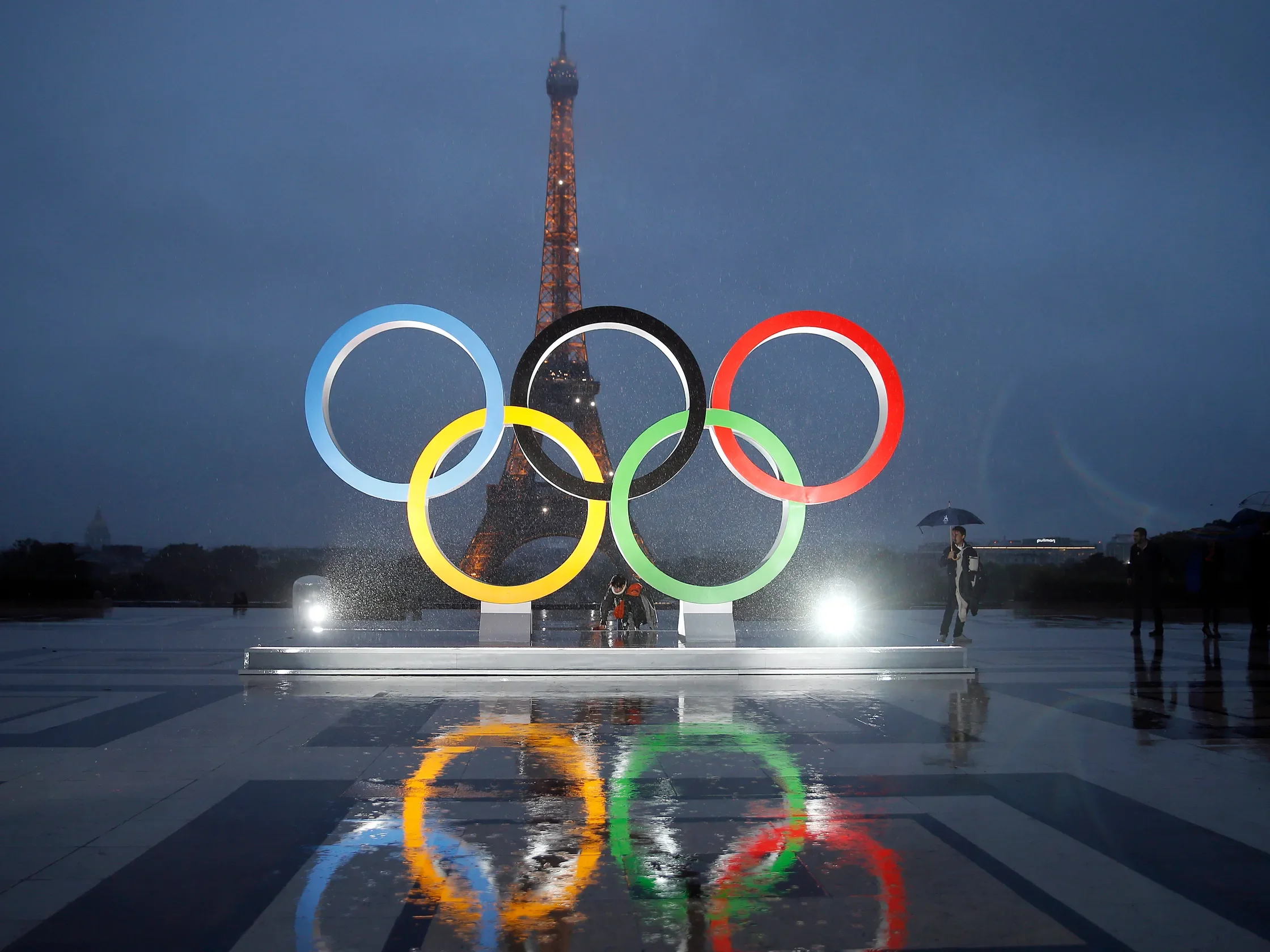
Getty images, via The Economist
There is a particular kind of quiet that follows something monumental. After the Olympic flame is extinguished. After the final whistle of a championship game. After the last routine, race, match, or performance that has shaped this season, and even your life for years. It is a quiet that does not always feel peaceful. For many elite performers - Olympic and Paralympic athletes, professional competitors, artists, and high achievers - the end of a major performance cycle can bring pride, relief, gratitude, and fulfillment. It can also bring an indescribable sense of let-down, disappointment, frustrations, and anxiousness. Regardless of how the Big Game, season, or concert tour went, unexpectedly, it can also bring emotional flatness, sadness, disorientation, or a sense of internal emptiness.
This experience is often referred to as post-Olympic blues, but that label is far too narrow. What athletes describe is better understood as post-event blues: a temporary, yet often profound, psychological and physiological response to the ending of an intensely meaningful performance chapter. And it is far more common, and far more human, than most people realize. If you are reading this and thinking, “Is that it?”, “I should be happier than I am,” or “Why does everything feel so quiet now?”, let me say this clearly:
There is nothing wrong with you.
You are not ungrateful.
You are not weak.
You are in transition.
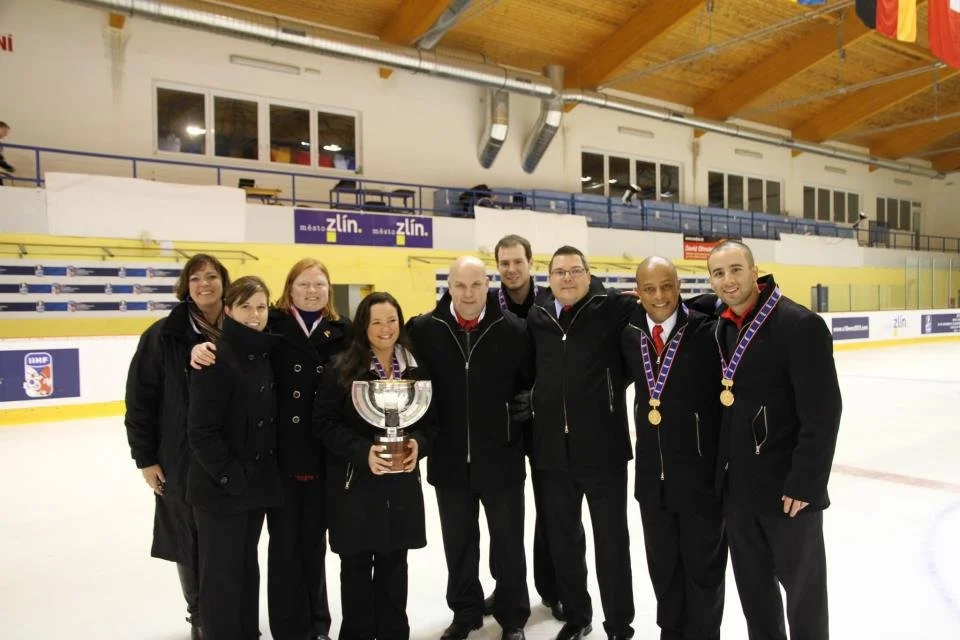
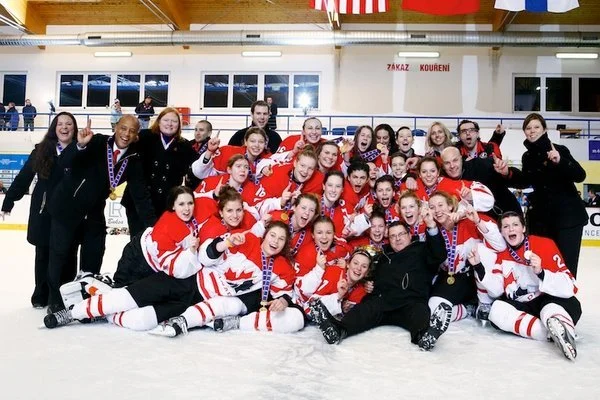
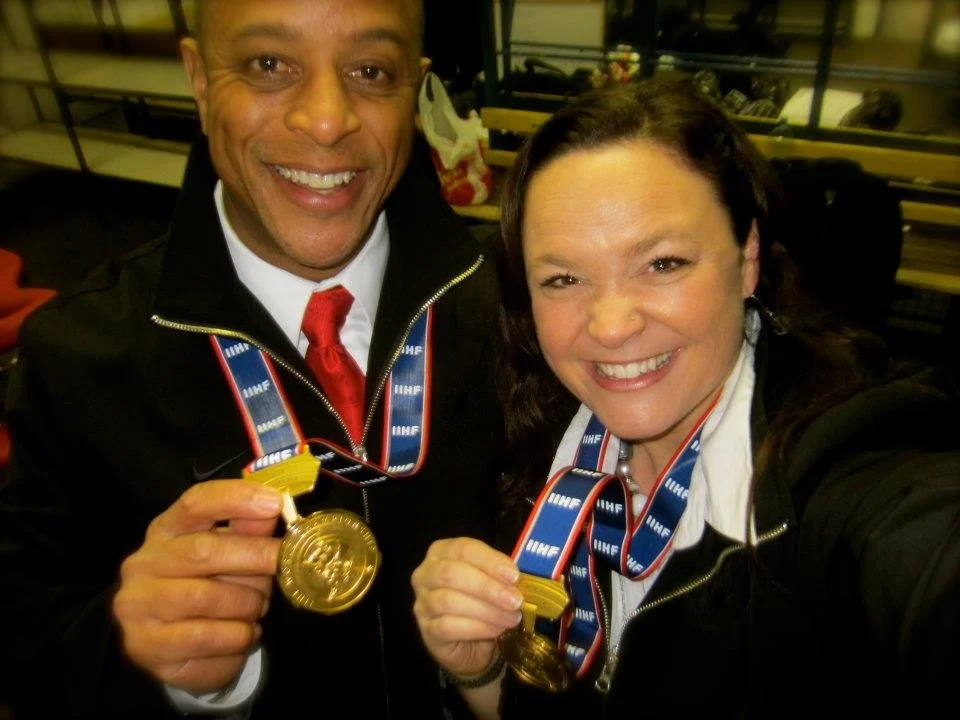
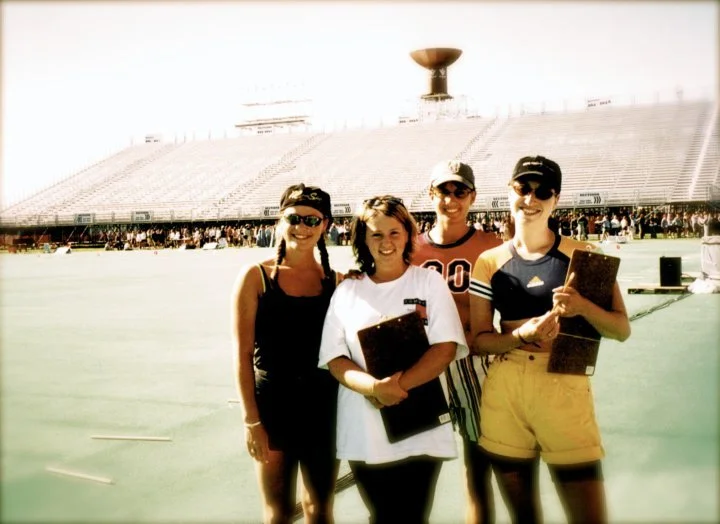
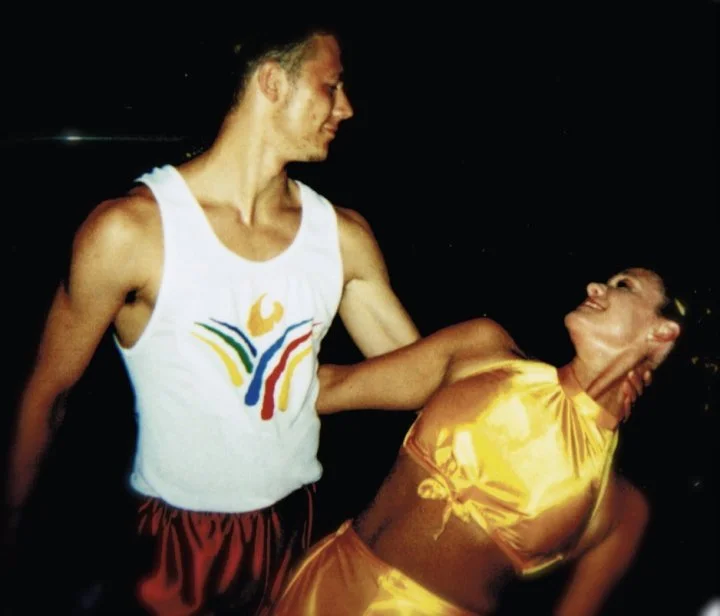
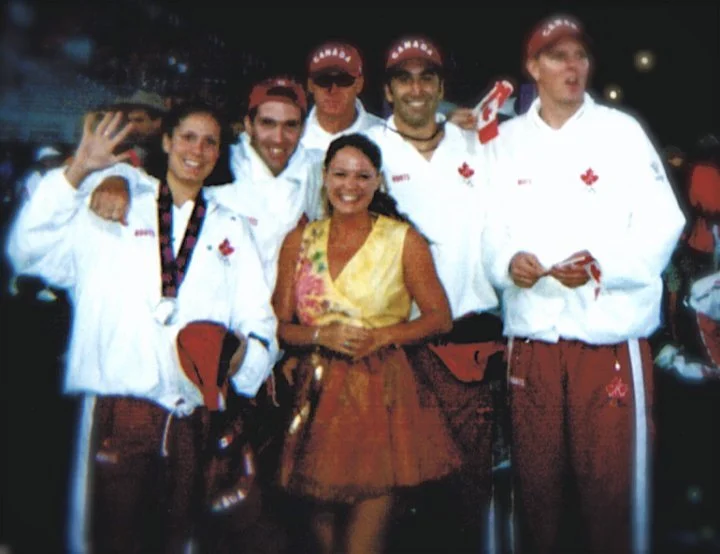
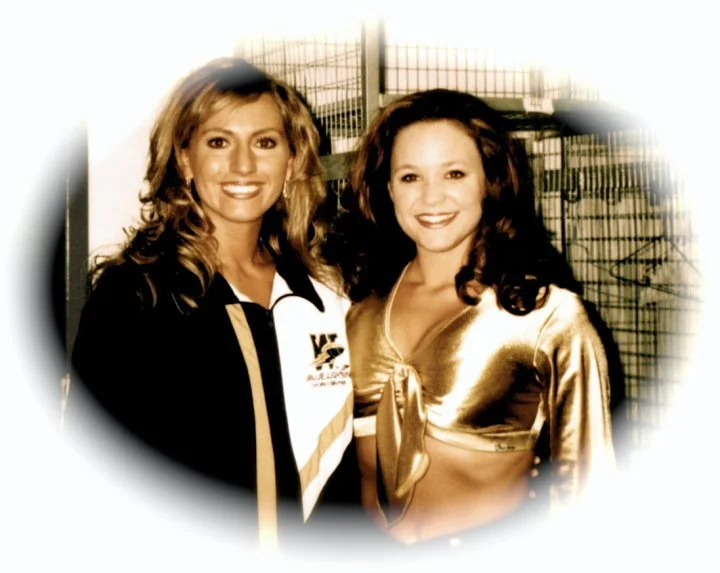
I still remember the first time I came home after my first World Championships with Hockey Canada’s Women’s U18 National Team. One minute we were all on the ice, hearing our national anthem, celebrating with one another, taking turns with the cup, and receiving gold medals, the next minute, we were taking 3-4 flights home, as the team (which would never be reassembled the exact same again) was dismantled on various connecting flights across the country. Suddenly I was home, and reality hit that some of us might never see each other again. And while I was immensely grateful for an incredible, beautiful, and fulfilling experience, everyday life felt very ordinary.: Making meals, doing laundry, getting groceries, training, studying, and working out, doing the mundaneness of everyday life. Where had my wonderful sport family gone? Though I wasn’t alone, it felt lonely, because no one around me had gone through this unique, big experience. And this was my lived experience as a Mental Performance Coach, not even as an athlete! I also remember having similar experiences in my first career as a dance artist, when certain films, shows, or recitals would close after months of rehearsals all together, when preparing for months to perform in the Opening and Closing Ceremonies of the Pan Am games, or when taking to the field and court to dance for many cheer seasons alongside baseball, basketball, and football teams. In showbiz, we often say, the show must go on. What we don’t talk about nearly as often, is what about when the show ends?
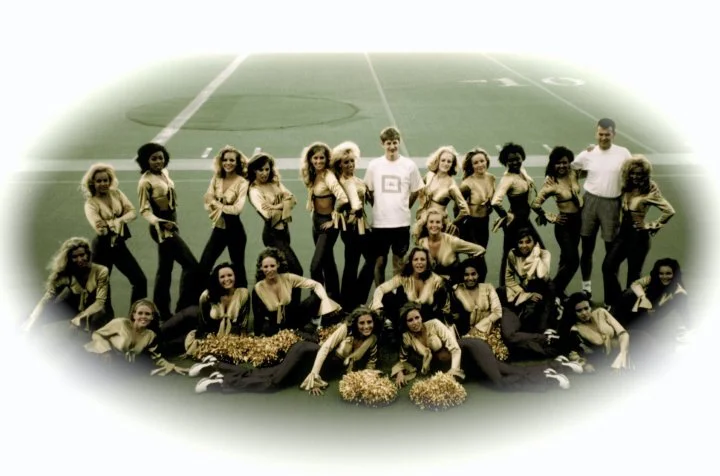
When big events or season ends, even if only for a few weeks or months, it can feel deeply disorienting. You may find yourself thinking:
Why do I feel like this?
What’s that all about?
What now?
What next?
Let’s talk about it.
What Are Post-Event Blues?
Post-event blues describe a short- to medium-term emotional dip that can occur after the completion of a long-anticipated performance goal, season, or career milestone. Athletes and performers often report:
• Emotional flatness or emptiness
• Low motivation despite objective success
• Restlessness, irritability, or sadness
• A sense of being unanchored or directionless
• Identity confusion or “What now?” thinking
• Surprise or guilt about feeling low after achieving something meaningful
Research examining post-Olympic adjustment highlights that these reactions are not driven by a single factor, but by the convergence of neurobiological, psychological, social, and identity-based processes that all shift at once when a defining goal ends (Diment, Stagis, & Küttel, 2025). In other words, post-event blues are not a failure to cope. They are the nervous system and identity recalibrating after sustained intensity.
Not Just the Olympics: A Shared Experience Across Elite Performance
The Olympic Games have brought visibility to this phenomenon because of their scale, symbolism, and media attention. Yet the same emotional pattern appears across performance domains.
Individual Sports
Athletes in individual sports (ex. swimmers, runners, gymnasts, tennis players, cyclists, etc) often organize years of their lives around one defining event. When it ends, the emotional drop can feel personal and isolating. Athletes have spoken openly about feeling lost after the Games, struggling to reconnect with daily life, or questioning who they are outside the singular pursuit that structured their world. Notably, these reactions occur regardless of outcome. Medals do not protect against emotional let-down; nor does disappointment fully explain it.
Team Sports
Professional team athletes experience a similar, though sometimes quieter, transition. After a Super Bowl run, an NBA Finals appearance, or a Stanley Cup chase, players move abruptly from:
• Highly structured daily routines
• Constant team contact and shared purpose
• Heightened emotional arousal and accountability
…to an off-season that can feel strangely empty once celebrations, or even habitual day to day routines, end. Across leagues, athletes describe not only physical fatigue, but a sense of disorientation when the season that shaped their identity and relationships disappears almost overnight. What unites these experiences is not the sport itself; it is the sudden removal of a high-meaning, high-structure context that has organized identity, relationships, and emotional energy.
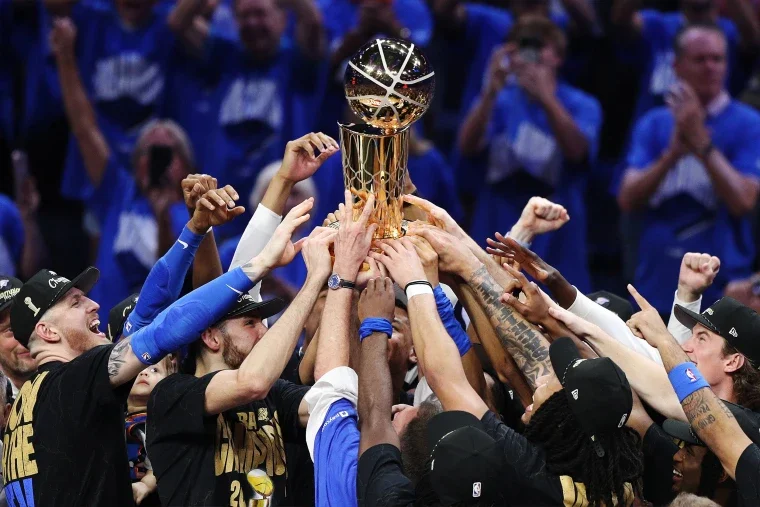
Getty Images / Justin Ford via NBC News
Article continues below
Why the Emotional Drop Happens: A Biopsychosocial Perspective
Understanding why post-event blues occur helps normalize the experience and opens pathways for healing.
1. Nervous System Come-Down
Elite performance requires prolonged activation of the stress and reward systems: dopamine, adrenaline, cortisol, sustained focus, emotional intensity. When the event ends, the nervous system does not instantly recalibrate. Instead, many performers experience a form of reward withdrawal, characterized by emotional flatness, fatigue, or low mood.
This is not pathology. It is physiology.
2. Loss of Structure and Rhythm
Training schedules, meetings, film study, travel, recovery protocols, performance feedback, these provide scaffolding for daily life. When that structure disappears, even simple decisions can feel effortful. Humans thrive on rhythm; when rhythm dissolves, mood often follows. (check out my previous blog on the important of external and internal architecture for optimal mental health and performance).
3. Identity Compression and Recalibration
For many elite performers, identity becomes tightly fused with role: Olympian. Starter. Captain. Champion. Veteran. Rookie. When that role pauses or ends, it can trigger questions that feel unsettling:
Who am I without this?
What gives my days meaning now?
This is not identity loss per say; it is identity transition, and it deserves care.
4. Social Disruption and Visibility Loss
During major events, athletes are surrounded by teammates, coaches, practitioners, media, and supporters. Afterward, those interactions often drop off rapidly. The loss is not just attention; it is connection. Research shows that sustained social support is a protective factor during transitions, yet post-event support is often unstructured or assumed rather than intentionally maintained.

Article continues below
Individual vs. Team Sports: Same Mechanism, Different Shape
Research comparing mental health across sport types offers important nuance.
Individual Sports
Athletes in individual sports tend to report higher levels of anxiety and depressive symptoms than team sport athletes (Pluhar et al., 2019; Reardon & Hitchcock, 2024). Several mechanisms help explain this pattern:
• Full responsibility for outcomes
• Greater internal attribution after failure
• Fewer built-in opportunities for collective emotional processing
When a major event ends, individual athletes may carry the emotional weight alone unless strong external supports are deliberately cultivated.
Team Sports
Team sports offer protective social mechanisms:
• Shared responsibility
• Collective narratives (“we” instead of “I”)
• Built-in debriefing and meaning-making
Participation in team sports has been associated with lower depressive symptoms and higher life satisfaction, partly due to social cohesion and belonging (Opstoel et al., 2020; Amiot et al., 2016). However, team sports introduce their own vulnerability. When the season ends, the group identity itself dissolves. For many athletes, the loss of daily connection with teammates becomes the most emotionally challenging part of transition. Different context. Same underlying human process.
How Post-Event Blues Actually Show Up
Athletes describe this period in many ways:
• “I don’t feel what I thought I would feel.”
• “Everything feels quieter.”
• “I miss the grind and I don’t know what to do with that.”
• “I should be happier than I am.”
These reactions are not failures of gratitude or resilience. They are signals that something meaningful has ended and something new has not yet begun.

Article continues below
“Change is the external event or situation that takes place… Transition is the inner psychological process that people go through as they internalize and come to terms with the new situation that the change brings about” William Bridges
Navigating the Transition: Evidence-Informed, Human Strategies
Healing does not mean rushing past the experience. It means supporting the transition with intention.
1. Name and Normalize the Experience
Understanding that post-event blues are common reduces shame and self-judgment. Naming what is happening creates psychological safety which is the foundation for recovery.
2. Re-Establish Gentle Structure
Not training, rhythm. Simple anchors help regulate mood:
• Consistent sleep and meals
• Light movement or walks
• Scheduled social contact
Structure does not trap us; it steadies us.
3. Stay Connected to People, Not Just Performance
Connection is protective. This includes teammates, family, partners, coaches, and practitioners who see you as more than your results. For supporters: don’t disappear after the event. Presence matters long after the applause fades.
4. Expand Identity Without Erasing It
This is not about “moving on” from sport. It is about allowing identity to widen.
Ask:
• What qualities did this chapter strengthen in me?
• Where else do those qualities belong?
Resilience lives in expansion, not abandonment.
5. Seek Support Early — Not Only When Distress Peaks
Mental performance consultants, psychologists, and trusted mentors can help athletes integrate the experience, make meaning, and co-create the next chapter. Support is not a sign something is wrong. It is a bridge between chapters.
Beyond Sport: A Universal Human Pattern
This experience is not unique to athletes. Graduations, weddings, births, major career and life milestones, creative launches, and long-term projects can all be followed by emotional quiet. Each of these big changes bringing their own unique flavour of experience yet all sharing elements of transitions and that liminal in-between space that can feel uncertain and undefined. Like hallways, not a room yet a very real and significant part of the spaces we live and move in and through. Sport simply magnifies what is deeply human: Endings are complex, even when they are successful.
A Final Reflection
If you find yourself in a post-event quiet right now, let this land gently:
You are not broken.
You are not ungrateful.
You are not behind.
You are in transition.
And transitions, when met with patience, connection, and care, can become powerful spaces of integration, renewal, and growth.
Are you experiencing a significant transition?
Are you in transition after a significant season or big event?
Are you experiencing or planning ahead to a post-athletic transition or career transition of some kind?
Would like support, guidance, and coaching to navigate this meaningful time, then I invite you to take one small, meaningful step today.
Book a free 15-minute discovery call with me here. Let’s explore how to craft the best plan to sustain your excellence as you transition into your next great season and/or chapter in your life.
References
Amiot, C. E., et al. (2016). Emotions as social phenomena in team sports. Psychology of Sport and Exercise, 26, 56–63.
Diment, G. M., Stagis, N. D., & Küttel, A. (2025). Post-Olympic blues: Psychological responses to returning home. Scandinavian Journal of Sport and Exercise Psychology.
Opstoel, K., Elbe, A.-M., et al. (2020). Team sport participation and mental health outcomes. Journal of Sport and Health Science.
Pluhar, E., McCracken, C., Griffith, K. L., Christino, M. A., Sugimoto, D., & Meehan, W. P. (2019). Team sport athletes may be less likely to suffer anxiety or depression than individual sport athletes. Journal of Sports Science & Medicine, 18(3), 490–496.
Reardon, C. L., & Hitchcock, M. (2024). Mental health in individual versus team sports. International Review of Sport and Exercise Psychology.