
The Mental Edge: How Olympians Perform at their Best when it Matters Most
By Dr. Chantale Lussier-Ley, PhD. CMPC.
7 mins read

Sochi Olympics 2018, picture via Snow Brains
The Olympic Games are unlike any other competition. Beyond the physical demands of training and execution, athletes are immersed in an environment that is emotionally charged, logistically complex, and psychologically intense. Travel across time zones, unfamiliar food and accommodation, altered routines, media attention, and national expectations all converge at once. Every Olympian arrives having prepared their body. What often determines whether preparation translates into performance, however, is mental readiness: the ability to regulate attention, emotion, and energy in an environment designed to test them all.
"I don't think you're human if you don't get nervous." Sidney Crosby, as cited on Olympics.ca
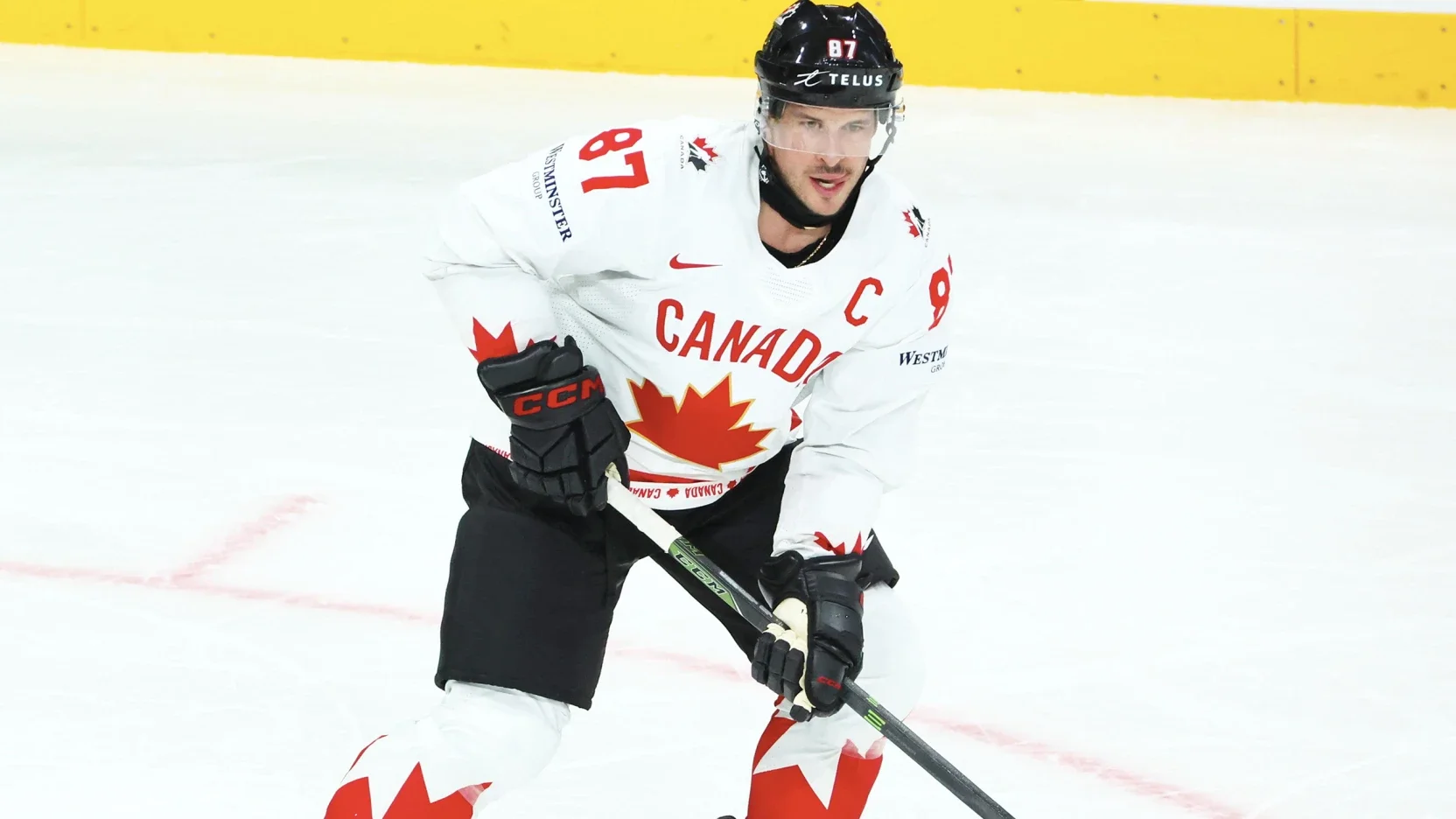
Athlete: Sidney Crosby, picture by Xavier Laine/Getty Images
Mental preparation for the Olympics is not about eliminating nerves or controlling outcomes. It is about building the psychological skills that allow athletes to remain present, adaptable, and effective under extraordinary conditions. Having contributed to the mental training and preparation of numerous athletes in both Summer and Winter Olympics and Paralympics games, the following evidence-based principles and strategies reflect what research and elite athletes themselves consistently show supports performance at the highest level.
1. The Elite Athlete’s Mind: What the Science Tells Us
Elite athletes are not immune to mental health challenges. A large body of research indicates that symptoms of anxiety, depression, and psychological distress occur in elite athletes at rates comparable to the general population, with elevated risk during injury, major competitions, and career transitions (Rice et al., 2016). Recognizing this, the International Olympic Committee (IOC) has emphasized that mental health and mental performance are inseparable. In its consensus statement, the IOC highlights that psychological well-being is foundational to sustained elite performance and must be proactively supported, not addressed only in crisis (Reardon et al., 2019). In light of this, the Mind Zone was created and first deployed at the 2024 Paris Olympics and Paralympic Games. “The Athlete365 x Powerade Mind Zone is a groundbreaking initiative that helps you prioritise your mental health during the Olympic Games. The Mind Zone will be in place for athletes staying in all six Villages at Milano Cortina 2026, with a range of mindfulness activities and support available” (see Olympics.com).
For the IOC AC, the athlete experience at the Olympic Games is one of the most important areas of focus, and we were very pleased to see the success of the Mind Zone at Paris 2024. Seeing so many athletes using the service, whether to calm their mind before competition or recover afterwards, was incredible. Given the positive feedback we received from athletes who competed in Paris, I am very happy that we are able to provide a similar service for athletes during Milano Cortina 2026 (Emma Terho, IOC AC Chair).
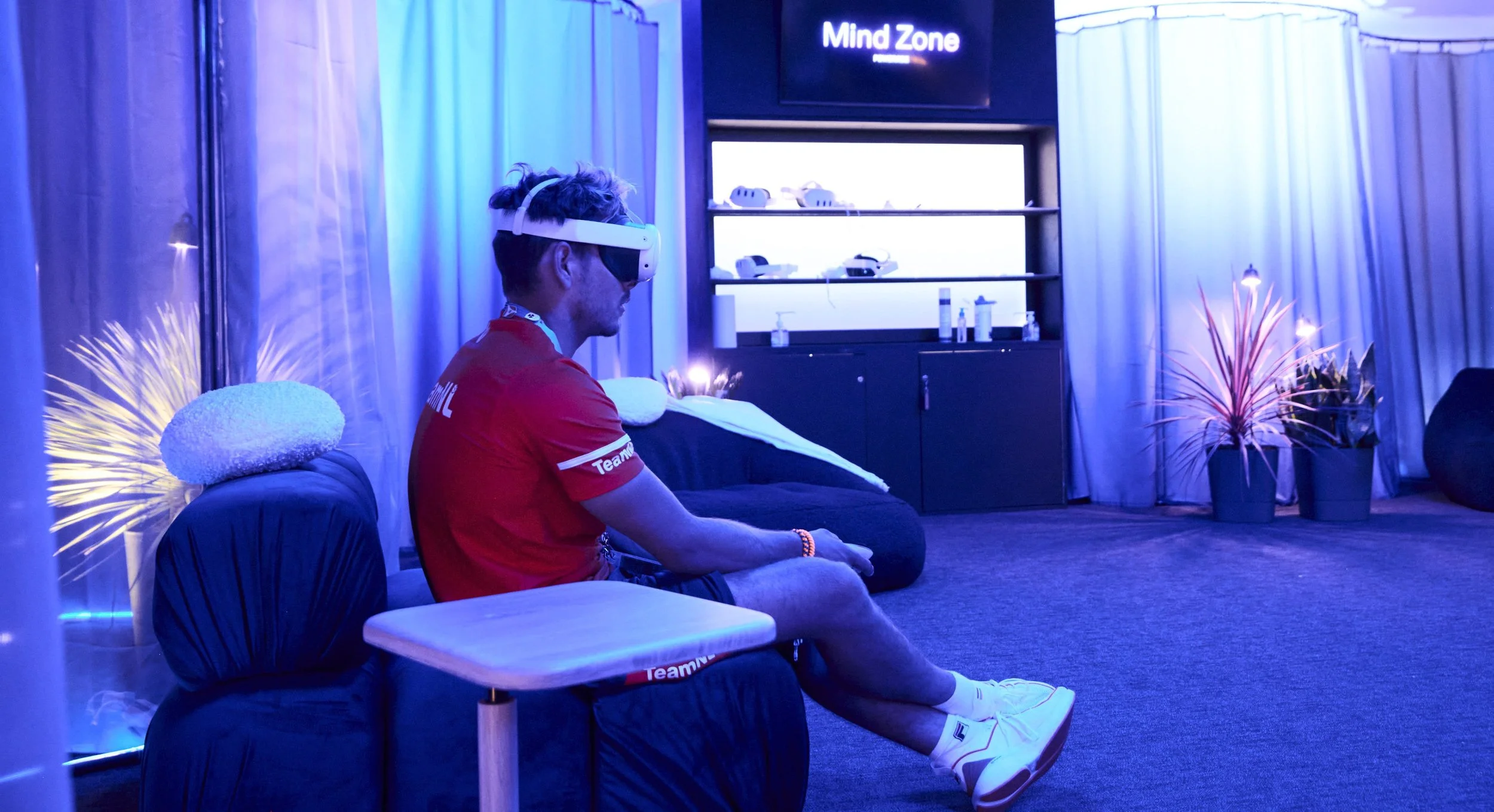
The Athlete365 x Powerade Mind Zone, via Olympics.com
Such a space is vital for athletes who are seeking to attend to their mental wellbeing and mental training at the Games themselves. As I often say to my clients, experiencing big feelings and competing thoughts while at the Olympics or Paralympics is perfectly human. It’s what we do with that human material that counts.
From a performance perspective, systematic reviews show that psychological interventions, including imagery, goal setting, cognitive restructuring, self-talk, and mindfulness-based strategies, are associated with improvements in performance consistency, emotional regulation, and well-being in elite athletes (Wang et al., 2025). In other words, mental preparation is not an “extra.” It is a form of high-performance training that supports how athletes think, feel, and respond when pressure peaks. Mental skills are a health and performance asset and competitive edge both in and out of the spotlight of the Games.
2. Before You Arrive: Building the Mental Foundation
Goal Setting That Stabilizes Focus
Effective Olympic preparation begins well before arrival. Research consistently supports the use of multi-layered goal setting, with an emphasis on process-oriented goals; the actions and behaviors within an athlete’s control alongside performance and outcome goals. Process goals (e.g., various breathing patterns, technical cues, pacing strategies) help anchor attention and reduce cognitive overload in high-stakes environments. Athletes who rely exclusively on outcome goals are more vulnerable to distraction and pressure-related performance disruption (Wang et al., 2025).
Mental Imagery as Neurocognitive Training
Mental imagery is one of the most robustly supported psychological skills in sport. Meta-analytic research demonstrates that imagery practice contributes to improved performance, confidence, and emotional control, particularly when imagery is vivid, multisensory, and integrated into regular training (Simonsmeier et al., 2021). Importantly, imagery is most effective when it includes overcoming challenging scenarios such as mistakes, delays, or distractions and rehearses calm, adaptive responses. This prepares the nervous system for the reality of Olympic competition rather than an idealized version of it. There are so many different reasons and ways to utilize this powerful mental rehearsal strategy; from course memorization, to confidence and composure in and around the performance space, to technical and tactical precise execution, to tapping into the overall feel and flow of the performance experience as whole, visualization when understood with depth and utilized with strategy and mastery, is a multipurpose tool that can take an athlete’s performance to the next level.
Implementation Intentions (“If–Then” Planning)
Implementation intentions, pre-planned responses to predictable stressors, are a practical way to automate effective coping under pressure. For example:
If I notice my thoughts racing in the call room, then I will slow my breathing and repeat my cue word.
If something unexpected happens in warm-up, then I refocus on my first controllable action.
This approach reduces decision fatigue and supports consistency when cognitive load is high. This is a form of contingency strategic planning that has been used in many innovative and creative ways with athletes as well as other high performance professions from military, to entertainers, to astronauts.
3. Life in the Olympic Village: Protecting Mental Energy
The Olympic Village is an inspiring, fun, social, and special place to be. It can also be a highly stimulating, and oftentimes overwhelming place to be for days and even weeks at a time. Managing daily logistics, deciding when to immerse and enjoy the fullness of the experience, and when to take some time outs, relax, and decompress, becomes a vital part of mental preparation. Everyone has a different social battery and knowing one’s self and how much quality social connection time versus quality solitude time is vital to managing energy well. Being social is great, fun, and can be energizing so taking the opportunity to meet and connect with fellow teammates and athletes from around the world is a special part of the Games experience and can really fill up your cup, metaphorically speaking. It’s equally important to understand that being “on” socially from morning, noon, and night can really add up to our emotional and cognitive load. Navigating this with awareness, intentionality, and great communication is key.
Sleep as Psychological Regulation
Sleep plays a critical role in emotion regulation, attentional control, and learning consolidation which are all essential for elite performance. Disrupted sleep is associated with increased emotional reactivity and reduced cognitive flexibility. Canadian sprinter Andre De Grasse has spoken openly about the importance of sleep and routine in his preparation. In an interview with Carleton University, he noted:
“Usually, when I can get a good eight or nine hours, my day goes a lot better.” De Grasse, as cited in Carleton University, 2021.
Protecting sleep through consistent routines, light exposure management, and calming pre-sleep practices helps stabilize the nervous system during the Games. Sleep routines do not need to take up enormous amounts of time, one or two skills and strategies such as a sleep-oriented guided meditation or PMR can go a long way to supporting optimal rest and recovery.
Nutrition and Familiarity
Nutrition supports not only physical recovery but also mood stability and concentration. Familiar foods, hydration routines, and timing can act as psychological anchors in an unfamiliar environment. This is not always easy to control or access but communication with team staff, adjusting plan and expectations, packing along favorites when possible, along with a little bit of planning ahead of time can ensure your nutrition is a constant staple your body and mind can count on.
Routines as Anchors, Not Superstitions
Pre-performance routines are associated with improved focus and reduced anxiety. These routines which can include playlists, warm-up and cool down sequences, breathing patterns, along with effective self-talk, create predictability and reduce cognitive noise (Cotterill, 2010). The goal is not rigidity, but reliability: knowing what brings you back to the present moment. In this way, there is no moment that’s too big. It’s a moment you’re well prepared for so there’s no need to make it bigger or different than any other moment you’ve already executed well repeatedly, countless times before.
4. Competition Time: Performing Under Pressure
Reframing Anxiety
Physiologically, anxiety and excitement are nearly identical. Research shows that athletes who interpret pre-competition arousal as a challenge state rather than a threat demonstrate better performance outcomes (Jamieson et al., 2018). This reframing does not deny nerves; it contextualizes them as readiness. Of course our bodies respond to the excitement of competition day, including at the Games. But how we mentally interpret this activation and then harness that energy has the potential to invigorate the moment and fuel performance well.
Breathing and Attentional Control
Slow, intentional breathing is a direct pathway to regulating the autonomic nervous system. Many elite athletes use breathing as a reset tool between attempts, races, or plays to re-anchor attention in the present moment. Understanding different kinds of breathing patterns and self-regulation tactics help elite athletes to tap into higher levels of activation and relaxation on demand, when needed.
Self-Talk as Direction, Not Motivation
The purpose of self-talk fluctuates depending on if athletes use it prior, during, or post-performance. For in-the moment, about to perform, the most effective self-talk is brief, task-relevant, and rehearsed. Cue words such as “steady,” “commit,” or “present” help direct attention to what matters now and reduce intrusive thinking. Ahead of performance and post-performance, self-talk can take on other purposes including instructional, motivational, and in support of one’s confidence and focus.
5. Athlete Perspectives: Normalizing the Mental Game
Elite athletes increasingly speak openly about the mental demands of Olympic sport. World champion sprinter Noah Lyles has publicly discussed his experiences with anxiety and depression, stating “I have asthma, allergies, dyslexia, ADD, anxiety and depression… But what you have does not define what you can become” (Lyles, as cited by Reuters, 2024). Statements like this underscore a critical truth: mental challenges are not a sign of weakness. They are part of the human experience of elite performance and addressing them proactively is a strength. Additionally, advancements in applied sport psychology research and best practices repeatedly demonstrate the vital role that proactive mental skills training can have on the ability to sustain the many highs and lows of preparing, competing at, and recovering from, an Olympic quadrennial.
“Focusing on my mental health has been a top priority. The journey of an elite athlete has its ups and downs… I am extremely grateful and blessed that my greatest strength comes from the support of my family, who has always focused on the importance of mental health as equally as we do on physical health. Whatever the source of your mental strength, embrace it and work on it daily” Skylar Park, 2020, as cited on Olympics.ca
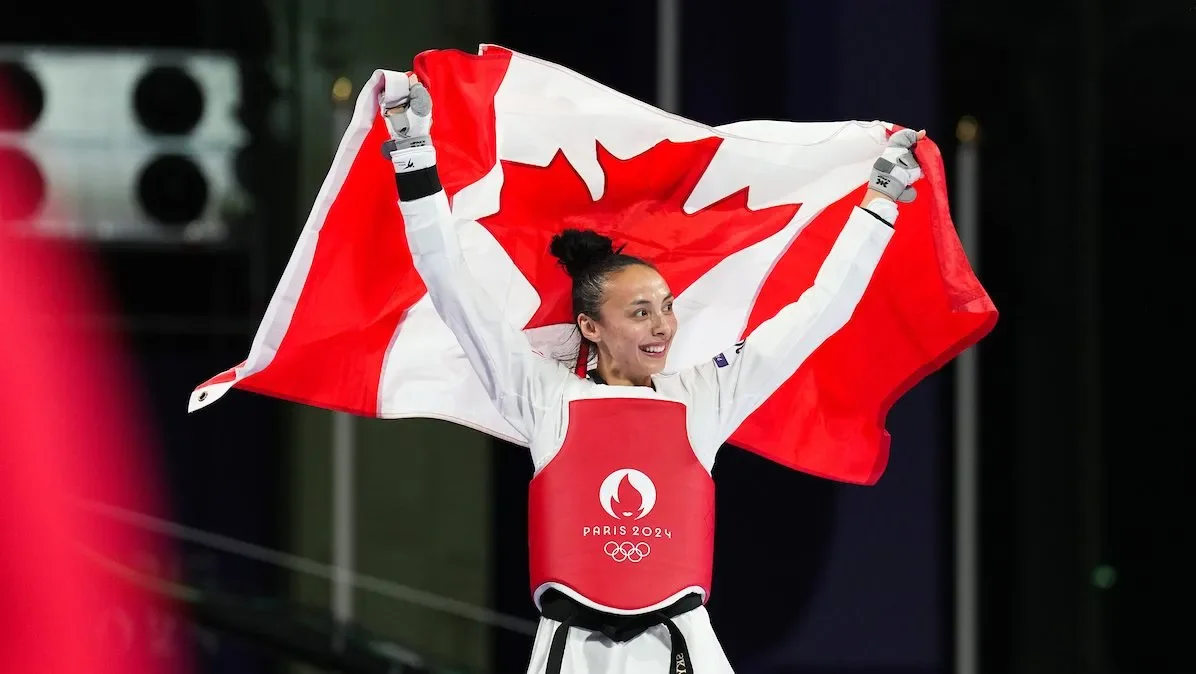
Athlete: Skylar Park, Picture by Alex Pantling/Getty Images
Conclusion: Work with your Mind
Mental preparation for the Olympics is not about controlling every thought or emotion. It is about developing the skills to stay present, adaptable, agile, and aligned with what matters most even when the environment is intense and demanding. The evidence is clear: structured mental training supports both performance and well-being. When athletes prepare the mind with the same care as the body, they give themselves the best chance to perform freely on the world’s biggest stage.
If you would like personalized support in developing your mental preparation, grounded in science and tailored to your unique context, I would be honoured to support you. Athletes seeking guidance can book a virtual consultation via my website here.
Let the Olympic and Paralympic Games begin!
References
Carleton University. (2021). Andre De Grasse on physical and mental health.
https://newsroom.carleton.ca/story/de-grasse-physical-mental-health/
Cotterill, S. T. (2010). Pre-performance routines in sport: Current understanding and future directions. International Review of Sport and Exercise Psychology, 3(2), 132–153. https://doi.org/10.1080/1750984X.2010.488269
Jamieson, J. P., Mendes, W. B., Blackstock, E., & Schmader, T. (2018). Turning the knots in your stomach into bows: Reappraising arousal improves performance on stressful tasks. Journal of Experimental Social Psychology, 74, 39–48. https://doi.org/10.1016/j.jesp.2017.07.007
Reardon, C. L., et al. (2019). Mental health in elite athletes: International Olympic Committee consensus statement. British Journal of Sports Medicine, 53(11), 667–699. https://doi.org/10.1136/bjsports-2019-100715
Rice, S. M., et al. (2016). The mental health of elite athletes: A narrative systematic review. Sports Medicine, 46, 1333–1353. https://doi.org/10.1007/s40279-016-0492-2
Reuters. (2024). Athletics – Five things to know about sprint champion Noah Lyles.
https://www.reuters.com/
Simonsmeier, B. A., Androniea, M., Buecker, S., & Frank, C. (2021). The effects of imagery interventions in sports: A meta-analysis. International Review of Sport and Exercise Psychology, 14(1), 186–207. https://doi.org/10.1080/1750984X.2020.1780627
Wang, W., Schweickle, M. J., Arnold, E. R., & Vella, S. A. (2025). Psychological interventions to improve elite athlete mental wellbeing: A systematic review and meta-analysis. Sports Medicine, 55, 877–897. https://doi.org/10.1007/s40279-024-02173-3