
The Mental Side of Drafts and Free Agency: Navigating Transitions in Professional Sport
5 mins read
Dr. Chantale Lussier
Image: Foxsports
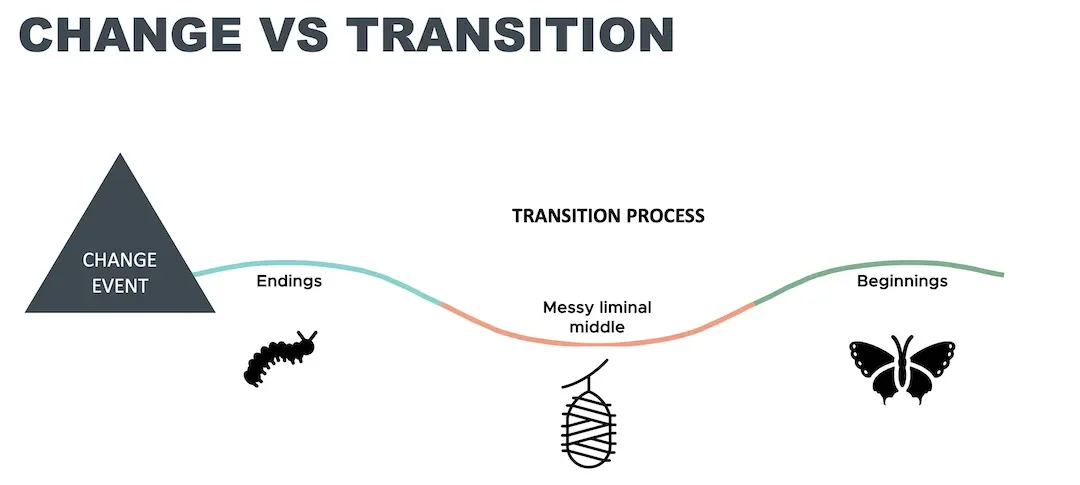
Drafts and free agency in pro sports are often framed as moments of achievement and/or milestones that signal arrival, validation, or opportunity. And they are. Yet they are also periods of profound psychological transition. For athletes entering and navigating careers in professional leagues such as the NFL, CFL, NHL, PWHL, MLB, NBA, or WNBA (just to name a few) these moments are not simply contractual or logistical. They represent identity shifts, relational change, and uncertainty under public scrutiny. Far beyond phone calls, meetings, and contract negotiations is the very real yet rarely talked about human experience these athletes and their families experience during these times of uncertainty and change. Understanding and tending to the mental side of these transitions is not an indulgence; it is a necessary component of sustainable performance and well-being.
Normalizing the Psychological Reality of Transition
Career transitions in elite sport including drafts, free agency, trades, and team changes are consistently identified in the sport psychology literature as periods of heightened psychological demand (Stambulova et al., 2024). Even transitions that are outwardly positive require adaptation across multiple domains: emotional, social, cognitive, and behavioral.
Athletes navigating these moments often report:
A sense of starting over, regardless of prior success
Heightened self-monitoring and performance pressure
Disruption to routines, relationships, and sense of belonging
Uncertainty about role clarity, playing time, and expectations
These responses are not signs of fragility. They are common human reactions to environments characterized by change, evaluation, and reduced control. Research on elite athlete transitions highlights that stress responses are most likely when demands increase while perceived support or predictability decreases (Pilkington et al., 2024). Drafts and free agency often meet both of these criteria.




Identity, Expectation, and the Weight of “What’s Next”
A central psychological theme during professional transitions is identity. Many elite athletes develop a strong athletic identity; a sense of self that is deeply tied to performance, role, and recognition. While this identity can fuel commitment and excellence, it can also create vulnerability during periods of uncertainty (Di Rocco et al., 2025).
Being drafted or signing with a new team often involves:
Re-negotiating one’s role within a new system
Adjusting to new coaching philosophies and communication styles
Integrating into unfamiliar team cultures
Earning trust, credibility, and opportunity again
For example, NFL quarterbacks drafted early often carry the dual burden of expectation and comparison. Former first-overall pick Alex Smith later reflected that the early years of his career were marked by anxiety, self-doubt, and a persistent fear of failure; experiences that only softened with time, perspective, and support (Smith, as cited in sporting media interviews). These dynamics are not unique to football. Hockey players moving between NHL organizations, WNBA athletes navigating short contracts and limited roster spots, or PWHL players helping build a new professional landscape all encounter similar psychological terrain: pressure to perform quickly while adapting deeply.
Social Disruption: New Cities, New People, New Trust
Relocation is another often under-acknowledged aspect of professional transitions. Moving to a new city or country disrupts social networks, daily rhythms, and informal sources of regulation and support.
Athletes must:
Establish new routines and living arrangements
Build rapport with teammates and staff
Navigate unfamiliar cultural or organizational norms
Perform publicly while privately adjusting
From a psychological perspective, these disruptions can affect sense of belonging, which is closely linked to motivation, confidence, and mental health (Brockett et al., 2024). When belonging feels uncertain, athletes may over-extend themselves, suppress emotional needs, or internalize struggles, particularly in high-performance cultures that still reward stoicism.
What the Evidence Tells Us About Mental Health in Elite Sport
Although research specifically examining “draft psychology” or “free agency stress” is still limited, broader literature on elite athlete mental health offers important context. Large-scale reviews indicate that elite athletes experience rates of anxiety, depression, and psychological distress comparable to and in some contexts higher than the general population (Schinke et al., 2024). Career transitions consistently emerge as periods of elevated risk, particularly when support systems are weak, when athletes are between teams and without staff support, and/or stigma still limits help-seeking.
Importantly, the International Society of Sport Psychology emphasizes that mental health challenges in athletes are not failures of toughness or commitment, but predictable responses to cumulative stress, identity pressure, and environmental demands (Schinke et al., 2024). Athlete voices echo this reality. NBA champion Kevin Love has spoken openly about the pressure to appear composed while struggling internally, noting that performance success does not immunize athletes against psychological strain (Love, 2018). Olympic swimmer Michael Phelps similarly described how seeking help became a turning point in sustaining both his career and his life. These narratives reinforce a central truth: mental health and mental performance are inseparable.
Image: NWSL
Navigating Drafts and Free Agency with Psychological Intention
While each athlete’s experience is unique, research and applied practice point toward several principles that support healthier transitions. First, normalization matters. Recognizing uncertainty, anxiety, or emotional fluctuation as expected responses reduces secondary stress; the stress about having stress. Second, identity flexibility is protective. Athletes who cultivate aspects of self beyond performance (relationships, friendships, values, and interests beyond their sport) tend to adapt more effectively during transitions (Di Rocco et al., 2025). This does not diminish competitive drive; it stabilizes it. Third, psychological skills are trainable. Mindfulness, attentional control, values-based goal setting, and acceptance-based strategies help athletes stay present and responsive rather than reactive under pressure (Pilkington et al., 2024). Fourth, relationships regulate nervous systems. Trusted family, friends, coaches, teammates, mentors, and professionals provide not only advice, but co-regulation, a critical buffer during periods of uncertainty. Finally, early support is more effective than crisis response. Engaging with legitimate, certified mental performance and/or sport psychology professionals before transitions intensify equips athletes with language, tools, and perspective that can be carried across teams and seasons (Schinke et al., 2024).
A Warm Invitation to the Athlete in Transition
If you are an athlete navigating the mental demands of professional transition, preparing for a draft, moving through free agency, adjusting to a new team, or finding your footing and preparing well for a meaningful career shift, support is available. These moments ask more than physical readiness. They ask for psychological skills, perspective, and space to make sense of uncertainty, pressure, and change. Working intentionally on the mental side of performance can help you develop clarity, steadiness, and tools you can carry with you across teams, seasons, and stages of your career.
If you are seeking support, guidance, and practical mental skills and strategies, you are welcome to book an appointment with me here. This is a space for thoughtful preparation, grounded in science, informed by lived experience, and designed to support both performance and well-being as you move through transition.
Wherever you are in your journey, you do not have to navigate it alone.
A note on scope of practice:
In my private practice, I do not provide advice on contracts, trades, or negotiations. Those important conversations are led by athletes and their families, agents, and organizational leadership teams (GMs, HCs, etc). Roles, responsibilities, and lines of communication with these matters are respected, navigated with care, and deep professionalism. My work focuses on providing support, guidance, skills, and strategies to help athletes navigate the mental and emotional side of these transitions in healthy, sustainable ways. As always, my work is strictly confidential. This piece is written with professional athletes in mind, but it is equally relevant for families, coaches, agents, teams, and organizations committed to sustainable performance and the wellbeing of their primary stakeholders; the athletes.
References
Brockett, C. L., Morris, R., & Smith, B. (2024). Factors influencing mental health and well-being in high-performance athletes during career transitions. BMJ Open Sport & Exercise Medicine, 10(2), e001991. https://doi.org/10.1136/bmjsem-2024-001991
Di Rocco, F., Romagnoli, C., Ciaccioni, S., Capranica, L., & Padua, E. (2025). Sustainable career transitions and mental health support in elite sport: A systematic review. Sports, 13(12), 438. https://doi.org/10.3390/sports13120438
Love, K. (2018). Everyone is going through something. The Players’ Tribune.
Pilkington, V., Rice, S., Olive, L., & Walton, C. (2024). Athlete mental health and wellbeing during the transition into elite sport: Strategies to prepare the system. Sports Medicine – Open, 10(1), 53. https://doi.org/10.1186/s40798-024-00690-z
Schinke, R. J., Stambulova, N. B., Si, G., & Moore, Z. (2024). International Society of Sport Psychology position stand: Elite athlete mental health revisited. International Journal of Sport and Exercise Psychology. Advance online publication. https://doi.org/10.1080/1612197X.2024.2321531
Smith, A. (2024). Reflections on pressure and resilience as a first-overall draft pick. San Francisco Chronicle.